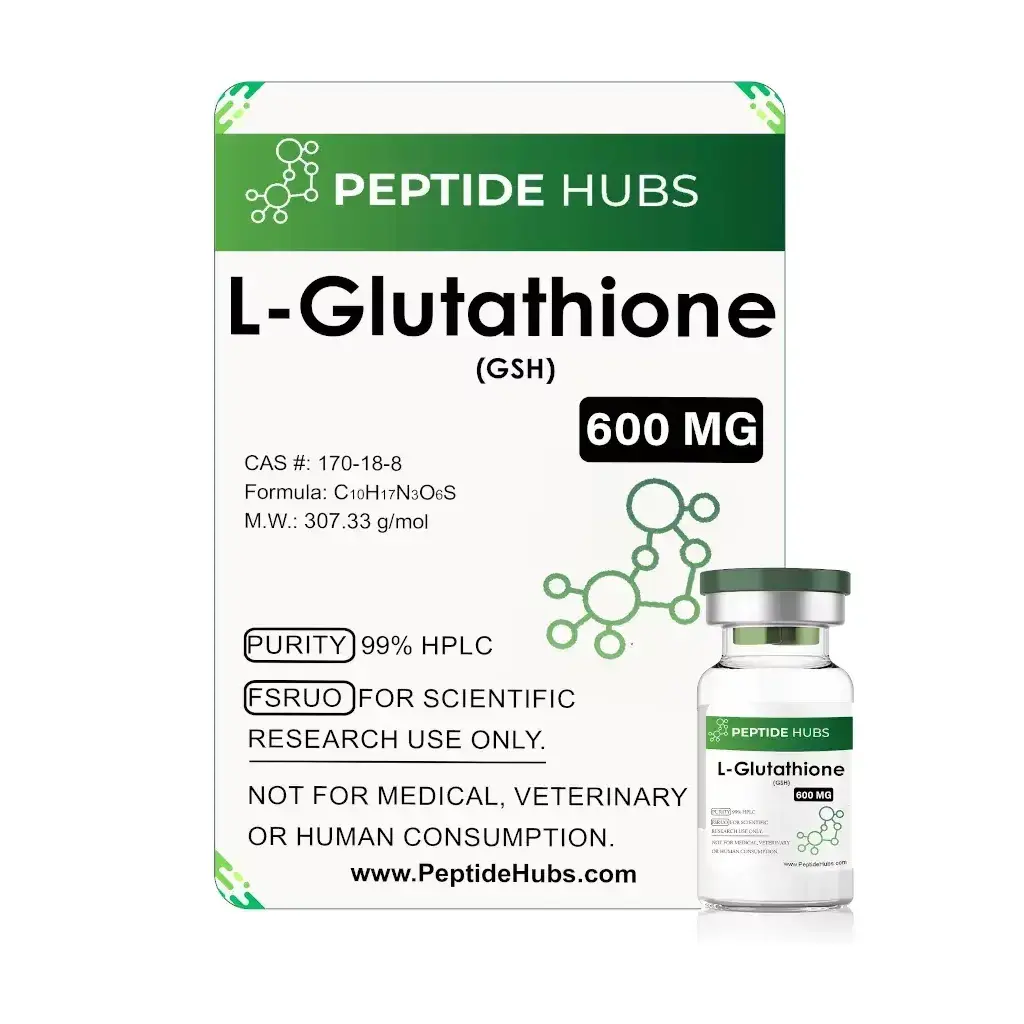
L-Glutathione 600 mg – Peptide Hubs
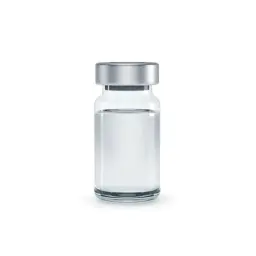
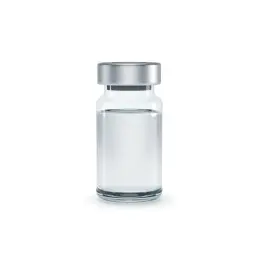
L-Glutathione is a tripeptide composed of glutamine, cysteine, and glycine, and is regarded as the body's master antioxidant. It is involved in cellular detoxification, immune support, oxidative stress reduction, and melanogenesis regulation. Peptide Hubs offers a high-quality 600 mg lyophilized vial of L-Glutathione, ideal for use in antioxidant, anti-aging, and metabolic research protocols.
Mechanism of Action
L-Glutathione functions primarily by neutralizing reactive oxygen species (ROS) and regenerating other antioxidants like Vitamin C and E. It also plays a key role in phase II liver detoxification, regulating inflammatory pathways and cellular redox balance. In skin-related research, L-Glutathione has shown promise in inhibiting melanin production by modulating the tyrosinase enzyme. For a foundational overview, refer to this NIH article on glutathione's clinical relevance.
Primary Research Applications
- Detoxification and liver protection studies
- Oxidative stress and anti-aging research
- Skin brightening and melanin regulation models
- Neurological and metabolic resilience protocols
L-Glutathione is frequently stacked in antioxidant-centric protocols with GHK Basic for skin and tissue repair, or DSIP for stress-reduction and sleep-based cellular recovery. It's also studied in synergy with AOD 9604 for metabolic optimization and Chonluten to modulate immune resilience under oxidative stress.
Technical Details
Compound Type
Endogenous Tripeptide
Peptide Composition
Glu-Cys-Gly
Peptide Length
3 Amino-Acid Residues
Structural Name
γ-L-Glutamyl-L-Cysteinylglycine
Structural Feature
γ-Glutamyl Peptide Bond
Molecular Formula
C₁₀H₁₇N₃O₆S
Molecular Weight
307.32 g/mol
Redox Form
Reduced Glutathione (GSH)
Biochemical Role
Cellular Redox & Thiol Homeostasis
Dosage & Usage Guidelines
- Dosage: 600–1200 mg per week, typically in 2–3 divided doses
- Administration: Intramuscular or intravenous (in clinical-style settings)
- Cycle Duration: 2–12 weeks depending on oxidative burden models
Stacking Suggestions
- GHRP-2 – to explore glutathione's role in hormonal feedback and cell recovery
- FOX04-DRI – for aging and senolytic synergy under oxidative stress studies
- B7-33 – for tissue fibrosis attenuation and redox-sensitive signaling
- Semaglutide – for metabolic and anti-inflammatory co-modulation
Safety & Legal Status
L-Glutathione is a naturally occurring compound with a well-documented safety profile in preclinical and clinical settings. It does not aromatize, does not affect hormonal balance, and is not hepatotoxic. This peptide is intended strictly for research use only and is not FDA-approved for human or veterinary use. For active clinical studies, visit ClinicalTrials.gov.
Shipping & Product Authenticity
USA Domestic
4–5 business days
International
13–15 business days
Order Processing
24–48 business hours
Tracking
Tracking number provided
Direct Supply & Discreet Delivery
This product is supplied through the official Peptide Hubs distribution chain and shipped in original manufacturer packaging. The outer shipping package remains discreet, with privacy-focused handling and no unnecessary external product details.
What to Expect
- ✔ Orders are processed after payment confirmation
- ✔ USA Domestic shipping is typically faster when local stock is selected
- ✔ International orders include tracking, though update frequency may vary by destination
- ✔ Multiple warehouses may result in separate shipments when applicable
Authenticity support: official Peptide Hubs presentation, batch-linked lab proof, and original packaging help reinforce product legitimacy and buyer confidence.
Verified Supply
For complete delivery details, tracking policy, and reshipment terms, please see our Shipping Info page.
Storage
Store the lyophilized powder at controlled room temperature (15–25°C) in a dry, dark place, away from direct light and moisture. The unopened vial should be kept in its original packaging to maintain stability.
After reconstitution, store the solution at 2–8°C and use within 14 days. Do not freeze. Discard any unused portion after the recommended storage period. Before use, inspect the solution and avoid use if it appears cloudy, discolored, or contains particulate matter, or if the vial or seal is compromised.
Keep out of reach of children. Follow proper handling and sterile injection practices during research use.
Proper storage conditions help maintain product stability and consistent performance across the product's shelf life.
Frequently Asked Questions
What is L-Glutathione used for in research?
L-Glutathione is studied for its antioxidant and detoxifying properties, supporting oxidative stress reduction, skin lightening, and cellular repair processes.
Can L-Glutathione be used in skin-brightening studies?
Yes. L-Glutathione inhibits melanin production by modulating tyrosinase activity, making it a common compound in skin tone and pigmentation research models.
Does L-Glutathione affect hormones or cause aromatization?
No. L-Glutathione does not interact with androgenic or estrogenic pathways and does not cause aromatization or hormonal suppression.
Is L-Glutathione safe for long-term use in research?
Preclinical and clinical data indicate L-Glutathione is well-tolerated with no toxicity reported under long-term dosing protocols in oxidative stress research.
No reviews found
Please log in to write L-Glutathione 600 mg review.