


Peptide Hubs (39 Offers)
Buy authentic Peptide Hubs peptides online. Top research compounds include BPC 157, TB 500, Semaglutide, Ipamorelin, and Retatrutide. Fast USA shipping available.

CLASSIFICATION: AMPK ACTIVATOR PEPTIDE
ACTIVE SUBSTANCE: AICAR
FORM: LYOPHILIZED POWDER (2 ML VIAL x 50 MG)
ACTIVE HALF-LIFE: 1.5–2 HOURS
DOSAGE: 25–50 MG PER DAY (RESEARCH USE)
ACNE: NO
WATER RETENTION: NO
HIGH BLOOD PRESSURE (HBP): LOW RISK
HEPATOTOXICITY: NONE
AROMATIZATION: NO
MANUFACTURER: PEPTIDE HUBS

CLASSIFICATION: INFLAMMATION & NEUROPATHY PEPTIDE
ACTIVE SUBSTANCE: ARA-290
FORM: LYOPHILIZED POWDER (2 ML VIAL x 16 MG)
ACTIVE HALF-LIFE: APPROX. 2 HOURS
DOSAGE: 4–8 MG PER DAY (RESEARCH USE)
ACNE: NO
WATER RETENTION: NO
HIGH BLOOD PRESSURE (HBP): UNLIKELY
HEPATOTOXICITY: NONE
AROMATIZATION: NO
MANUFACTURER: PEPTIDE HUBS

CLASSIFICATION: ANTI-FIBROTIC PEPTIDE ANALOG
ACTIVE SUBSTANCE: B7-33
FORM: LYOPHILIZED POWDER (2 ML VIAL x 6 MG)
ACTIVE HALF-LIFE: APPROX. 2 HOURS
DOSAGE: 3–6 MG DAILY (RESEARCH USE)
ACNE: NO
WATER RETENTION: NO
HIGH BLOOD PRESSURE (HBP): UNLIKELY
HEPATOTOXICITY: NONE
AROMATIZATION: NO
MANUFACTURER: PEPTIDE HUBS

CLASSIFICATION: RESPIRATORY & BRONCHIAL PEPTIDE
ACTIVE SUBSTANCE: BRONCHOGEN
FORM: LYOPHILIZED POWDER (2 ML VIAL x 20 MG)
ACTIVE HALF-LIFE: APPROX. 2–3 HOURS
DOSAGE: 10–20 MG DAILY (RESEARCH USE)
ACNE: NO
WATER RETENTION: NO
HIGH BLOOD PRESSURE (HBP): UNLIKELY
HEPATOTOXICITY: NONE
AROMATIZATION: NO
MANUFACTURER: PEPTIDE HUBS

CLASSIFICATION: CARDIOVASCULAR PEPTIDE
ACTIVE SUBSTANCE: CARDIOGEN
FORM: LYOPHILIZED POWDER (2 ML VIAL x 20 MG)
ACTIVE HALF-LIFE: APPROX. 2–3 HOURS
DOSAGE: 10–20 MG DAILY (RESEARCH USE)
ACNE: NO
WATER RETENTION: NO
HIGH BLOOD PRESSURE (HBP): UNLIKELY
HEPATOTOXICITY: NONE
AROMATIZATION: NO
MANUFACTURER: PEPTIDE HUBS

CLASSIFICATION: CARTILAGE REPAIR & JOINT SUPPORT PEPTIDE
ACTIVE SUBSTANCE: CARTALAX
FORM: LYOPHILIZED POWDER (2 ML VIAL x 20 MG)
ACTIVE HALF-LIFE: APPROX. 2 HOURS
DOSAGE: 10–20 MG DAILY (RESEARCH USE)
ACNE: NO
WATER RETENTION: NO
HIGH BLOOD PRESSURE (HBP): UNLIKELY
HEPATOTOXICITY: NONE
AROMATIZATION: NO
MANUFACTURER: PEPTIDE HUBS
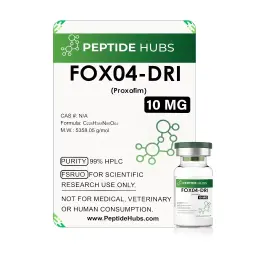
CLASSIFICATION: CELLULAR SENESCENCE INHIBITOR
ACTIVE SUBSTANCE: FOX04-DRI
FORM: LYOPHILIZED POWDER (2 ML VIAL x 10 MG)
ACTIVE HALF-LIFE: APPROX. 1–2 HOURS
DOSAGE: 5–10 MG/WEEK (RESEARCH USE)
ACNE: NO
WATER RETENTION: NO
HIGH BLOOD PRESSURE (HBP): UNLIKELY
HEPATOTOXICITY: NONE
AROMATIZATION: NO
MANUFACTURER: PEPTIDE HUBS

CLASSIFICATION: COLLAGEN-STIMULATING & REGENERATIVE PEPTIDE
ACTIVE SUBSTANCE: GHK BASIC
FORM: LYOPHILIZED POWDER (2 ML VIAL x 50 MG)
ACTIVE HALF-LIFE: APPROX. 30 MINUTES
DOSAGE: 1–5 MG DAILY (RESEARCH USE)
ACNE: NO
WATER RETENTION: NO
HIGH BLOOD PRESSURE (HBP): UNLIKELY
HEPATOTOXICITY: NONE
AROMATIZATION: NO
MANUFACTURER: PEPTIDE HUBS

CLASSIFICATION: GROWTH HORMONE RELEASING PEPTIDE
ACTIVE SUBSTANCE: GHRP-2
FORM: LYOPHILIZED POWDER (2 ML VIAL x 2 MG)
ACTIVE HALF-LIFE: 30 MINUTES
DOSAGE: 100–300 MCG 1–3X DAILY (RESEARCH USE)
ACNE: POSSIBLE
WATER RETENTION: MILD TO MODERATE
HIGH BLOOD PRESSURE (HBP): UNLIKELY
HEPATOTOXICITY: NONE
AROMATIZATION: NO
MANUFACTURER: PEPTIDE HUBS

CLASSIFICATION: GROWTH HORMONE RELEASING PEPTIDE
ACTIVE SUBSTANCE: GHRP-2
FORM: LYOPHILIZED POWDER (2 ML VIAL x 10 MG)
ACTIVE HALF-LIFE: APPROX. 30 MINUTES
DOSAGE: 100–300 MCG PER INJECTION (RESEARCH USE)
ACNE: POSSIBLE
WATER RETENTION: MILD
HIGH BLOOD PRESSURE (HBP): UNLIKELY
HEPATOTOXICITY: NONE
AROMATIZATION: NO
MANUFACTURER: PEPTIDE HUBS

CLASSIFICATION: GROWTH HORMONE RELEASING PEPTIDE
ACTIVE SUBSTANCE: GHRP-6
FORM: LYOPHILIZED POWDER (2 ML VIAL x 5 MG)
ACTIVE HALF-LIFE: APPROX. 30 MINUTES
DOSAGE: 100–300 MCG 1–3X DAILY (RESEARCH USE)
ACNE: POSSIBLE
WATER RETENTION: MILD
HIGH BLOOD PRESSURE (HBP): UNLIKELY
HEPATOTOXICITY: NONE
AROMATIZATION: NO
MANUFACTURER: PEPTIDE HUBS

CLASSIFICATION: GONADOTROPIN-RELEASING HORMONE (GNRH) ANALOG
ACTIVE SUBSTANCE: GONADORELIN
FORM: LYOPHILIZED POWDER (2 ML VIAL x 10 MG)
ACTIVE HALF-LIFE: 2–4 MINUTES
DOSAGE: 100–500 MCG PER DOSE (RESEARCH USE)
ACNE: UNLIKELY
WATER RETENTION: NO
HIGH BLOOD PRESSURE (HBP): NO
HEPATOTOXICITY: NONE
AROMATIZATION: NO
MANUFACTURER: PEPTIDE HUBS

CLASSIFICATION: MITOCHONDRIAL-DERIVED PEPTIDE (MDP)
ACTIVE SUBSTANCE: HUMANIN
FORM: LYOPHILIZED POWDER (2 ML VIAL x 10 MG)
ACTIVE HALF-LIFE: 16–24 HOURS (ESTIMATED)
DOSAGE: 1–10 MG/WEEK (RESEARCH USE)
ACNE: NO
WATER RETENTION: NO
HIGH BLOOD PRESSURE (HBP): NO
HEPATOTOXICITY: NONE
AROMATIZATION: NO
MANUFACTURER: PEPTIDE HUBS

CLASSIFICATION: ANTIOXIDANT PEPTIDE
ACTIVE SUBSTANCE: L-GLUTATHIONE
FORM: LYOPHILIZED POWDER (2 ML VIAL x 600 MG)
ACTIVE HALF-LIFE: APPROX. 1.5 HOURS
DOSAGE: 600–1200 MG/WEEK (RESEARCH USE)
ACNE: UNLIKELY
WATER RETENTION: NONE
HIGH BLOOD PRESSURE (HBP): NO
HEPATOTOXICITY: NONE
AROMATIZATION: NO
MANUFACTURER: PEPTIDE HUBS

CLASSIFICATION: CYTOKINE PEPTIDE
ACTIVE SUBSTANCE: LIVAGEN
FORM: LYOPHILIZED POWDER (2 ML VIAL x 20 MG)
ACTIVE HALF-LIFE: 2–6 HOURS
DOSAGE: 10–20 MG/WEEK (RESEARCH USE)
ACNE: NO
WATER RETENTION: NO
HIGH BLOOD PRESSURE (HBP): NO
HEPATOTOXICITY: NONE
AROMATIZATION: NO
MANUFACTURER: PEPTIDE HUBS

CLASSIFICATION: ANTIMICROBIAL PEPTIDE (AMP)
ACTIVE SUBSTANCE: LL-37
FORM: LYOPHILIZED POWDER (2 ML VIAL x 5 MG)
ACTIVE HALF-LIFE: APPROX. 1–2 HOURS
DOSAGE: 100–500 MCG/DAY (RESEARCH USE)
ACNE: NO
WATER RETENTION: NO
HIGH BLOOD PRESSURE (HBP): NO
HEPATOTOXICITY: NONE
AROMATIZATION: NO
MANUFACTURER: PEPTIDE HUBS
Peptide Hubs – Trusted Source for Research Peptides
Peptide Hubs is a specialist laboratory focused on producing premium research peptides for advanced wellness, recovery, fat loss, and athletic support. Their product catalog includes highly sought-after peptides like BPC-157, TB-500, Ipamorelin, and newer compounds like Retatrutide for metabolic optimization.
Why Choose Peptide Hubs?
All Peptide Hubs compounds are manufactured under stringent laboratory conditions and third-party purity tested. The brand is widely recognized for consistency, solvent-free solutions, and high bioavailability — critical factors for researchers and users seeking reliable peptide-based therapies.
Popular Peptide Hubs Products
- BPC 157 – Tissue repair and healing acceleration
- Ipamorelin – Growth hormone secretagogue for recovery and muscle support
- Semaglutide – Weight loss and appetite regulation peptide
- Retatrutide – Cutting-edge multi-receptor weight loss peptide
- TB-500 – Broad-spectrum recovery and anti-inflammatory peptide
Peptide Hubs Quality Commitment
Every vial of Peptide Hubs peptides is produced with cGMP-compliant processes, vacuum-sealed, and batch-tested to ensure maximum purity and potency. Our store proudly carries genuine Peptide Hubs products for research use.
Explore more advanced compounds by visiting our full Dragon Pharma gear collection or browse by peptides category.
Frequently Asked Questions About Peptide Hubs
What is Peptide Hubs?
Peptide Hubs is a specialized lab focused on producing research-grade peptides like BPC 157, TB-500, Semaglutide, and Ipamorelin for wellness and performance support.
Are Peptide Hubs products legit?
Yes, Peptide Hubs compounds are manufactured under cGMP guidelines and undergo third-party testing to verify purity and quality before distribution.
Where can I buy Peptide Hubs products online?
You can buy authentic Peptide Hubs research peptides directly from our verified online store. We offer fast and discreet USA shipping options.
What are the most popular Peptide Hubs compounds?
Top products include BPC 157 for injury recovery, TB-500 for systemic healing, Semaglutide for weight loss, Ipamorelin for growth hormone support, and Retatrutide for fat loss research.
Is Peptide Hubs suitable for beginners in peptide research?
Yes, Peptide Hubs offers clean, properly dosed compounds that are ideal for both beginners and experienced researchers focused on peptide therapies.

