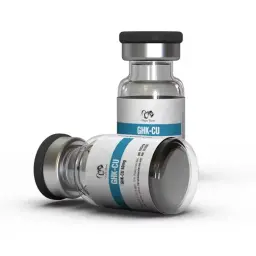
Dosage & Usage Guidelines
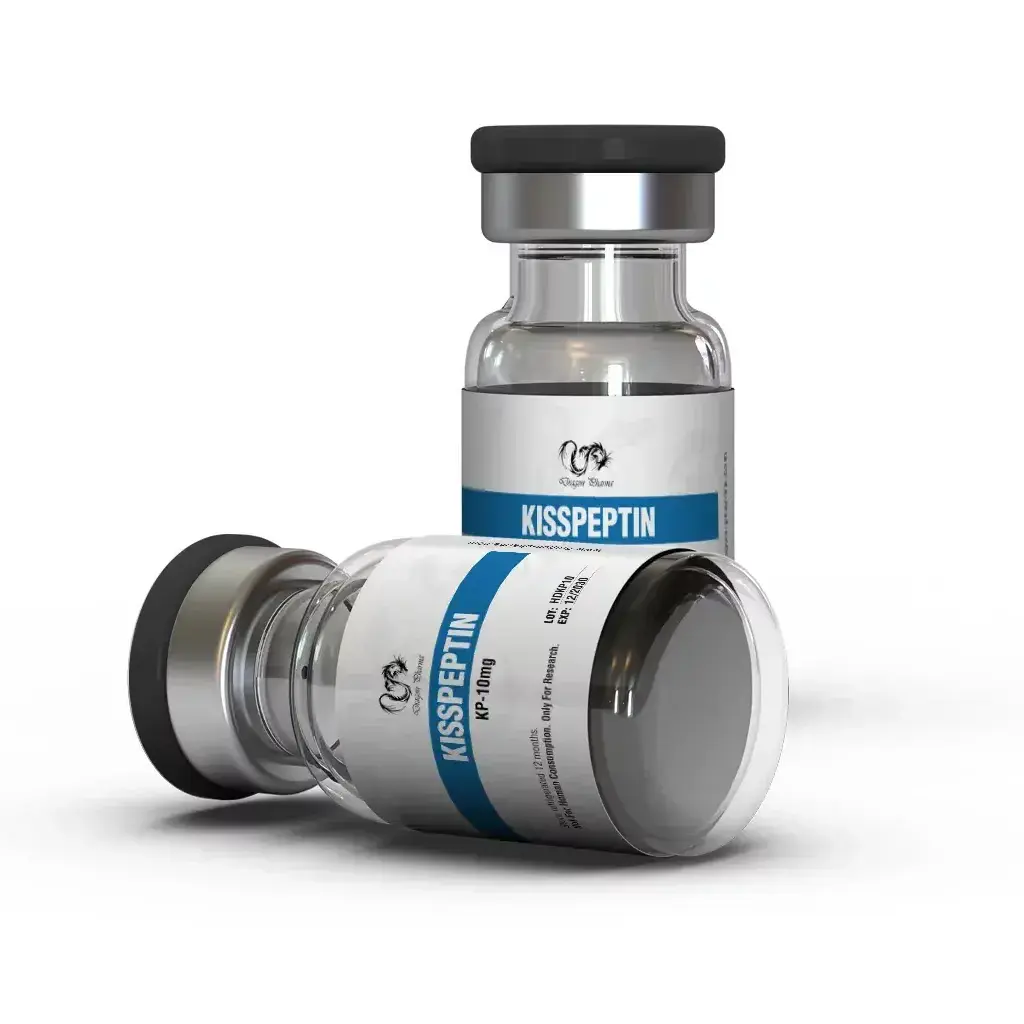
Establishing a correct Kisspeptin dosage is essential for meaningful research outcomes. As a potent research peptide, it is not for human consumption, and all studies must be designed with rigorous safety protocols. For the 10 mg vial from Dragon Pharma, researchers typically reconstitute the powder with bacteriostatic water to achieve a workable concentration. Dosages are remarkably low compared to other peptides, typically measured in micrograms (mcg).
Common research protocols involve a daily subcutaneous injection ranging from 100 mcg to 300 mcg. Some advanced protocols may utilize a split-dosing strategy, administering the dose twice daily to maintain more stable hormonal levels, given its relatively short half-life of approximately 3-4 hours. The duration of administration is typically limited, often to 2-4 week cycles, to prevent potential down-regulation of the natural Kisspeptin signaling pathways. As always, research should commence at the lower end of the dosage spectrum to gauge subject response.
Kisspeptin Cycle
Designing an effective Kisspeptin research cycle requires an understanding of its role as a potent stimulant rather than a base therapy. Cycles are generally kept short to prevent desensitization of the GPR54 receptors. A typical research cycle may last between 2 to 4 weeks, followed by an equal period of time off to allow receptor sensitivity to reset. It is often used at the conclusion of a suppressive anabolic cycle to "jump-start" the HPTA before beginning a traditional PCT with SERMs.
Kisspeptin is rarely studied in isolation. For a comprehensive post-cycle recovery stack, it is often combined with Enclomiphene to provide a powerful stimulus for natural testosterone production. To further support the hypothalamic-pituitary axis and promote robust Growth Hormone output, researchers may stack it with Ipamorelin. For those studying its effects during a cutting phase to preserve lean mass, adding a non-suppressive anabolic like MK 2866 can yield valuable data. Furthermore, to manage cortisol and enhance the overall anabolic environment, Proviron is a common research addition. Finally, for a powerful libido and performance boost alongside hormonal recovery, PT-141 is frequently included in the observational protocol.
Possible Side Effects
Kisspeptin is generally well-tolerated in research models due to its role in mimicking a natural physiological process. However, as with any compound that potently influences the endocrine system, certain side effects have been noted. The most common observations are related to its initial hormonal surge. Researchers may note a temporary increase in skin oiliness or, in genetically predisposed models, a minor flare-up of acne due to rising testosterone levels.
Some protocols have reported mild water retention as hormone levels fluctuate. A more significant consideration is the potential for receptor desensitization with prolonged, continuous use, which is why cycle lengths are kept short. There is no evidence of hepatotoxicity or aromatization directly from Kisspeptin, though the testosterone it stimulates can aromatize. It is crucial to monitor subjects for changes in behavior or mood related to the hormonal shifts. This compound is strictly for controlled laboratory research and is not meant for human consumption.
Reconstitution and Research Protocol
Proper handling of Dragon Pharma Kisspeptin is paramount to maintain its bioactivity. The lyophilized powder should be stored in a refrigerated environment between 2°C and 8°C (36°F and 46°F) before and after reconstitution. To prepare the peptide for research, it must be gently reconstituted with bacteriostatic water. The gentle swirling or rolling of the vial is critical to avoid damaging the delicate peptide chains—vigorous shaking must be avoided.
Given the low microgram dosages used, precise calculation and measurement are non-negotiable. Researchers should use insulin syringes for accurate measurement. Once reconstituted, the solution remains stable for several weeks when refrigerated, but it is considered best practice to use it within 21-30 days to ensure maximum potency and sterility. The research environment should be kept aseptic during all handling and administration procedures to prevent contamination.