DSIP 5 mg – Peptide Hubs
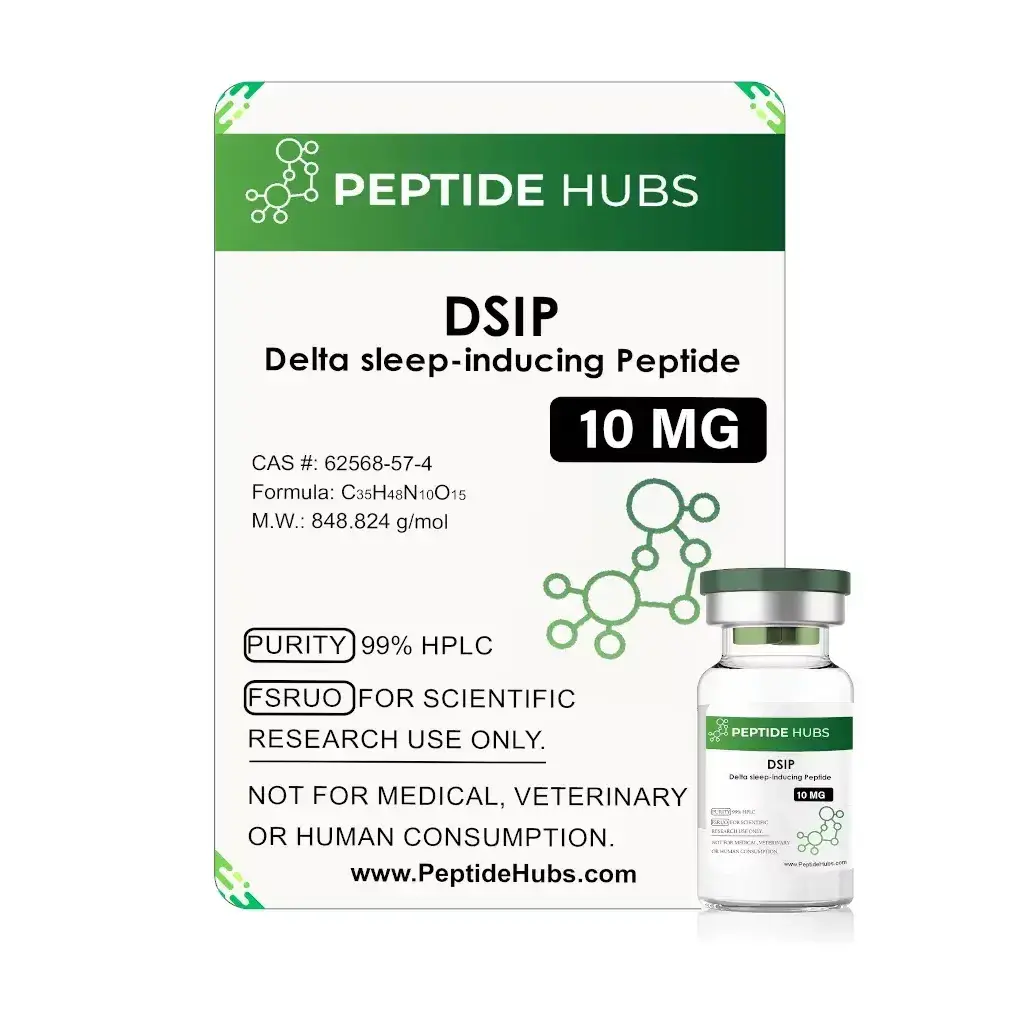
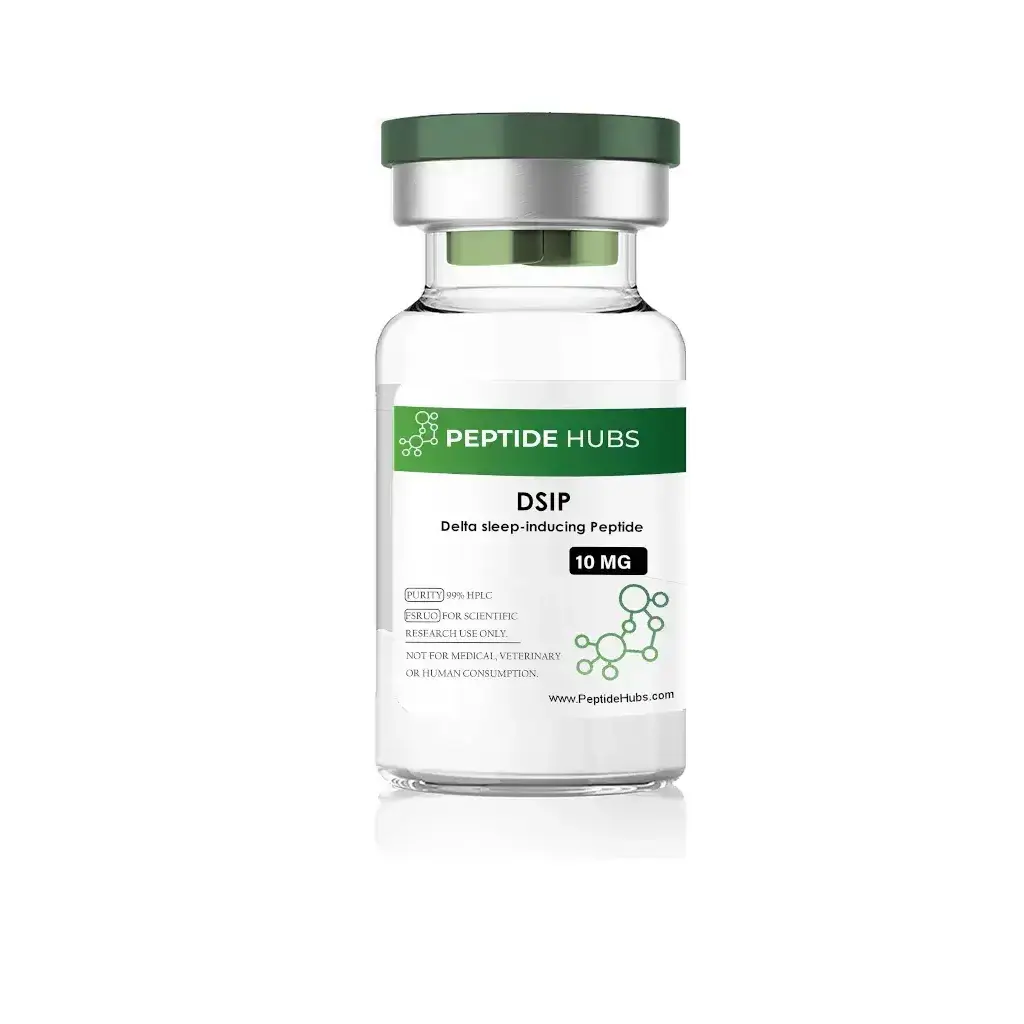
Delta Sleep-Inducing Peptide (DSIP) is a naturally occurring neuropeptide that has been studied extensively for its role in promoting sleep, regulating hormonal release, and reducing stress responses in laboratory models. The 5 mg lyophilized format from Peptide Hubs offers researchers a high-purity option for studying DSIP's effects on circadian rhythms, neurological recovery, and endocrine system balance.
What Is DSIP?
DSIP is a small peptide first discovered in the 1970s in the hypothalamus of rabbits, where it demonstrated the ability to induce slow-wave sleep. Since then, it has been the focus of numerous experimental models investigating its impact on sleep architecture, cortisol regulation, and oxidative stress mitigation. Research also indicates possible benefits in neuroprotection and recovery from physical and psychological stressors.
Mechanism of Action
Although DSIP's full mechanisms are still under investigation, it's believed to act on the hypothalamic-pituitary-adrenal (HPA) axis, modulating sleep cycles and neuroendocrine function. It may influence melatonin secretion and reduce corticotropin-releasing hormone (CRH), helping to improve sleep quality. For more, see this NIH study on DSIP and sleep function.
Technical Details
Peptide Type
Neuropeptide Nonapeptide
Peptide Sequence
Trp-Ala-Gly-Gly-Asp-Ala-Ser-Gly-Glu
Peptide Length
9 Amino Acids
Molecular Formula
C₃₅H₄₈N₁₀O₁₅
Molecular Weight
848.8 g/mol
Terminal Form
H-WAGGDASGE-OH
Development Status
Experimental
Dosage & Usage Guidelines
DSIP 10 mg is used in studies focused on:
- Regulation of circadian rhythms and sleep-wake cycles
- Reduction of stress-induced hormonal disruption
- Neurological recovery post-trauma or fatigue
- Modulation of pain response and neuroinflammation
Some researchers also investigate its synergy with Semax in models of cognitive fatigue and recovery. Others explore DSIP alongside GHK-CU or B7-33 to examine inflammation-related interactions during rest cycles.
Suggested Experimental Use
- Dosage Range: 100–500 mcg daily in lab models
- Delivery Method: Subcutaneous or intranasal depending on design
- Cycle Duration: 5–14 days for sleep rhythm protocols
Peptide Stacking Options
DSIP is often stacked with other neuro-supportive or recovery-focused compounds. Common combinations in research include:
- Cardiogen 20 mg – for heart-brain axis recovery post-sleep deprivation
- Cartalax 20 mg – for joint recovery and inflammation during deep sleep states
- Chonluten 20 mg – for immune and lung recovery during rest
Safety Profile
DSIP is considered safe in laboratory settings. It does not influence androgenic or estrogenic pathways, does not aromatize, and is non-toxic to the liver. It is free from cardiovascular or blood pressure risks and has shown no hepatotoxic effects in preclinical studies.
Legal Status
DSIP is not approved by the FDA and is strictly sold for laboratory and research use. It must not be used in humans or animals outside regulated protocols. To follow developments in DSIP research, visit the ClinicalTrials.gov registry.
Shipping & Product Authenticity
USA Domestic
4–5 business days
International
13–15 business days
Order Processing
24–48 business hours
Tracking
Tracking number provided
Direct Supply & Discreet Delivery
This product is supplied through the official Peptide Hubs distribution chain and shipped in original manufacturer packaging. The outer shipping package remains discreet, with privacy-focused handling and no unnecessary external product details.
What to Expect
- ✔ Orders are processed after payment confirmation
- ✔ USA Domestic shipping is typically faster when local stock is selected
- ✔ International orders include tracking, though update frequency may vary by destination
- ✔ Multiple warehouses may result in separate shipments when applicable
Authenticity support: official Peptide Hubs presentation, batch-linked lab proof, and original packaging help reinforce product legitimacy and buyer confidence.
Verified Supply
For complete delivery details, tracking policy, and reshipment terms, please see our Shipping Info page.
Storage
Store the lyophilized powder at controlled room temperature (15–25°C) in a dry, dark place, away from direct light and moisture. The unopened vial should be kept in its original packaging to maintain stability.
After reconstitution, store the solution at 2–8°C and use within 14 days. Do not freeze. Discard any unused portion after the recommended storage period. Before use, inspect the solution and avoid use if it appears cloudy, discolored, or contains particulate matter, or if the vial or seal is compromised.
Keep out of reach of children. Follow proper handling and sterile injection practices during research use.
Proper storage conditions help maintain product stability and consistent performance across the product's shelf life.
Frequently Asked Questions
What is DSIP used for in research?
DSIP is studied for its effects on sleep regulation, stress hormone control, and neurological recovery in both acute and chronic fatigue models.
Does DSIP improve deep sleep?
In preclinical studies, DSIP has been shown to enhance slow-wave sleep and stabilize circadian rhythms, particularly after stress exposure or jet lag models.
Is DSIP legal for human use?
No, DSIP is not FDA-approved for human consumption and is sold for research purposes only under laboratory conditions.
Can DSIP be combined with other peptides?
Yes, DSIP is often studied in combination with peptides like Semax, GHK-CU, and B7-33 for neurological, inflammatory, and recovery applications.
No reviews found
Please log in to write DSIP 10 mg review.