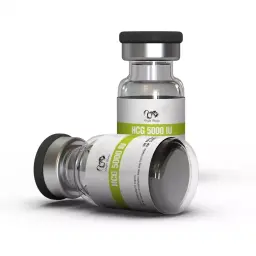
CLASSIFICATION: RESEARCH PEPTIDE
ACTIVE SUBSTANCE: KPV (LYSINE-PROLINE-VALINE)
FORM: LYOPHILIZED POWDER (2 ML VIAL x 5 MG)
ACTIVE HALF-LIFE: ~2-4 HOURS
DOSAGE: 100-500 MCG PER DAY
ACNE: VERY LOW RISK / POTENTIALLY BENEFICIAL
WATER RETENTION: NO RISK
HIGH BLOOD PRESSURE (HBP): NO RISK
HEPATOTOXICITY: NO REPORTED RISK
AROMATIZATION: NONE
MANUFACTURER: DRAGON PHARMA
Dragon Pharma introduces its high-purity KPV 5 mg, presented as a sterile lyophilized powder in a 2 mL vial. KPV, a tripeptide with the sequence Lysine-Proline-Valine, is a fragment of the larger alpha-melanocyte-stimulating hormone (α-MSH). It has become a significant compound in scientific research due to its potent anti-inflammatory and immunomodulatory properties, without the pigmentary effects associated with full-length α-MSH. For researchers investigating inflammatory pathways, skin conditions, and gut health, Dragon Pharma's KPV offers a reliable, precisely dosed tool. This comprehensive guide details its research applications, protocols, and synergistic potential within controlled laboratory settings.
KPV is the C-terminal fragment (residues 11-13) of α-MSH. While α-MSH is known for its role in melanogenesis (pigmentation) and inflammation control, the KPV fragment has been isolated for its specific and powerful anti-inflammatory action. Its primary research interest lies in its ability to inhibit the activation of NF-κB, a key protein complex that controls DNA transcription and is a central mediator of the inflammatory response. By modulating this pathway, KPV can potentially reduce the production of pro-inflammatory cytokines like TNF-α and IL-6. Research referenced in biochemical databases such as PubMed Central highlights how specific peptide sequences can interact with inflammatory cascades. This makes KPV a valuable compound for studying conditions characterized by excessive inflammation, particularly in models of skin disorders (e.g., psoriasis, dermatitis) and intestinal inflammation (e.g., colitis).
In preclinical research, KPV has demonstrated a range of potential effects centered on inflammation control and tissue health. Its most pronounced effect is the potent reduction of localized and systemic inflammatory markers. This makes it a prime candidate for studies on inflammatory skin diseases, where it may help modulate immune response in dermal tissues. Secondly, KPV has shown promise in research models of gut barrier integrity and inflammatory bowel disease, where it may help soothe mucosal inflammation. For athletic and fitness research models, KPV's anti-inflammatory properties are of interest for studying exercise-induced inflammation, joint recovery, and the management of training-induced oxidative stress. Unlike corticosteroids, its action is highly targeted with a favorable safety profile in research models, presenting no risk of systemic immunosuppression or HPA axis suppression.
For research purposes, the Dragon Pharma KPV 5 mg vial is reconstituted with bacteriostatic water. Research dosages in animal models are notably low due to its high potency, typically ranging from 100 mcg to 500 mcg per day. A common research protocol involves daily administration, often via subcutaneous injection for systemic studies or topical application in dermatological research (when formulated appropriately). For localized skin research, it can be applied in a cream or serum base. The 5 mg vial provides ample material for extended research cycles. A standard approach is to begin at the lower end of the dosage range (100-200 mcg/day) and adjust based on observed inflammatory markers. Consistency in administration time and route is paramount for generating reproducible data.
KPV research cycles are typically medium to long-term, ranging from 4 to 12 weeks, reflecting the chronic nature of inflammatory processes being studied. Its excellent tolerability allows for extended use in research models. To investigate comprehensive recovery, wellness, or performance enhancement, researchers often combine KPV with other Dragon Pharma compounds to create multifaceted study protocols:
In animal research models, KPV is exceptionally well-tolerated at standard research doses. Given its anti-inflammatory nature, it presents virtually no risk of the side effects common to anabolic steroids (water retention, hypertension, hepatotoxicity). There is no androgenic, estrogenic, or progestogenic activity. The most frequently noted observations in research are mild and transient, potentially including slight redness at the injection site if administered subcutaneously. In topical skin research, it is generally non-irritating. Its mechanism suggests it may actually benefit conditions like acne by reducing inflammatory lesions. Researchers must always employ aseptic techniques during reconstitution and administration to prevent contamination.
KPV, like many small peptides, has a relatively short plasma half-life, estimated to be between 2 to 4 hours. This supports daily or even twice-daily administration in research protocols to maintain consistent plasma levels for systemic studies. Its rapid metabolism means it has an extremely short detection time and is broken down into its constituent amino acids quickly, leaving no long-term trace or signature detectable in standard drug screens. This pharmacokinetic profile is advantageous for research requiring precise control over compound exposure timing.
A key advantage of KPV in research is its versatility in administration routes. Systemic Administration (subcutaneous injection) is used for studying whole-body anti-inflammatory effects, gut health, and systemic immune modulation. Topical Administration is the preferred route for dermatological research. When formulated into a suitable vehicle (e.g., a cream containing pentosan polysulfate or other carriers noted in literature), KPV can be applied directly to skin models to study conditions like psoriasis, acne, rosacea, or general anti-aging effects on skin inflammation. This dual-application potential significantly broadens its utility in scientific investigation.
Selecting Dragon Pharma ensures access to a peptide of uncompromised quality. Our KPV 5 mg is synthesized to >99% purity, verified by independent HPLC-MS analysis. Each batch is tested for sterility and the absence of endotoxins, guaranteeing it meets the strict standards required for sensitive research. We provide secure, discreet shipping directly from our USA warehouse, ensuring your research materials arrive promptly and in optimal condition. Trust in Dragon Pharma's reputation for excellence to supply the foundational compounds for your groundbreaking research into inflammation and healing.
The primary research focus for KPV is its potent anti-inflammatory and immunomodulatory properties. It is extensively studied in models of inflammatory skin conditions (psoriasis, dermatitis, acne), intestinal inflammation (colitis), and general models of localized inflammation. Its mechanism involves inhibiting key pro-inflammatory pathways like NF-κB activation, making it a valuable tool for inflammation-focused research.
Yes, topical application is a major route in dermatological research. To prepare a topical research solution, the lyophilized KPV powder is reconstituted with sterile water or a specific carrier like pentosan polysulfate solution mentioned in literature. This solution is then mixed into a neutral, preservative-free cream base at a specified concentration (e.g., 1-5%). This allows for direct application to skin models to study localized anti-inflammatory effects.
While both have anti-inflammatory properties, their mechanisms and primary research applications differ. BPC-157 is a gastric-derived peptide researched primarily for systemic healing of tendons, ligaments, and the GI tract, promoting angiogenesis. KPV is a fragment of α-MSH specifically researched for directly suppressing NF-κB-driven inflammation, making it more targeted for skin and mucosal inflammatory conditions. They can be complementary in research on healing.
Given that inflammatory conditions are often chronic, research cycles with KPV tend to be longer, typically ranging from 6 to 12 weeks in experimental models. For acute inflammation models, shorter cycles of 2-4 weeks may be used. Its high tolerability profile supports extended administration in research settings without the toxicities associated with long-term steroid or NSAID use in models.
No, KPV has no interaction with the hypothalamic-pituitary-testicular axis (HPTA). It does not influence sex hormone production, receptor binding, or feedback loops. Therefore, it is not suppressive in the way that androgenic anabolic steroids are, and a Post Cycle Therapy (PCT) protocol involving SERMs like Clomid or Nolvadex is completely unnecessary and irrelevant following a KPV research cycle.
Please log in to write KPV 5 MG review.
CLASSIFICATION: RECOMBINANT HUMAN GROWTH HORMONE (rHGH)
ACTIVE SUBSTANCE: SOMATROPIN
FORM: 1 PRE-FILLED PEN x 36 IU (12 MG)
ACTIVE HALF-LIFE: ~3.5 HOURS (SUBQ)
DOSAGE: 1–4 IU/DAY FOR ANTI-AGING; 4–8 IU/DAY FOR FAT LOSS OR PERFORMANCE
WATER RETENTION: POSSIBLE (DOSE DEPENDENT)
HEPATOTOXICITY: NONE
AROMATIZATION: NO
MANUFACTURER: PFIZER
CLASSIFICATION: RECOMBINANT HUMAN GROWTH HORMONE (r-hGH)
ACTIVE SUBSTANCE: SOMATROPIN (R-HGH)
FORM: 1 CARTRIDGE x 15 MG
ACTIVE HALF-LIFE: ~2–3 HOURS
DOSAGE: MEN 4-10 IU/DAY
ACNE: POSSIBLE
WATER RETENTION: POSSIBLE
HIGH BLOOD PRESSURE (HBP): MAY INCREASE VIA FLUID RETENTION
HEPATOTOXICITY: NONE TYPICAL
AROMATIZATION: NONE
MANUFACTURER: NOVO NORDISK
CLASSIFICATION: GONADOTROPIN (LH RECEPTOR AGONIST)
ACTIVE SUBSTANCE: HUMAN CHORIONIC GONADOTROPIN
FORM: 1 LYOPHILIZED VIAL x 5000 IU + PROVIDED SOLVENT
ACTIVE HALF-LIFE: ~24–36 HOURS
DOSAGE: MEN 500-1000 IU
ACNE: POSSIBLE
WATER RETENTION: POSSIBLE
HIGH BLOOD PRESSURE (HBP): MONITOR IF AT CV RISK
HEPATOTOXICITY: NONE TYPICAL
AROMATIZATION: INDIRECT
MANUFACTURER: IBSA
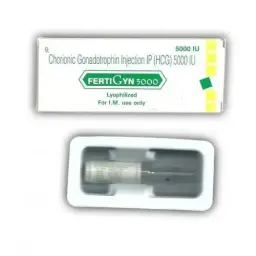
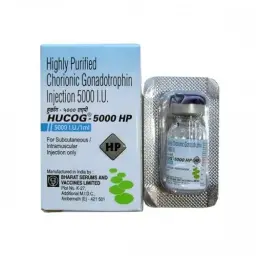
CLASSIFICATION: PEPTIDE HORMONE / HCG
ACTIVE SUBSTANCE: HUMAN CHORIONIC GONADOTROPIN
FORM: 1 ML AMP x 5000 IU
ACTIVE HALF-LIFE: ~3–6 DAYS
DOSAGE: 250–1000 IU 2–3x/WEEK (ON-CYCLE or PCT)
ACNE: POSSIBLE
WATER RETENTION: MODERATE
HIGH BLOOD PRESSURE (HBP): UNLIKELY
HEPATOTOXICITY: NONE
AROMATIZATION: INDIRECTLY ELEVATES ESTROGEN
MANUFACTURER: SUN PHARMA
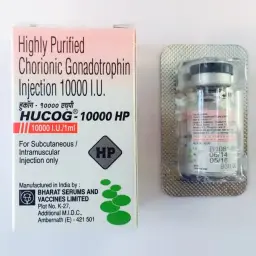
CLASSIFICATION: PEPTIDE HORMONE / HCG
ACTIVE SUBSTANCE: PRE-MIXED HUMAN CHORIONIC GONADOTROPIN
FORM: 1 VIAL x 10000 IU (READY-TO-INJECT)
ACTIVE HALF-LIFE: ~3–6 DAYS
DOSAGE: 250–1000 IU 2–3x/WEEK (ON-CYCLE or PCT)
ACNE: POSSIBLE
WATER RETENTION: LOW to MODERATE
HIGH BLOOD PRESSURE (HBP): RARE
HEPATOTOXICITY: NONE
AROMATIZATION: INDIRECTLY INCREASES ESTROGEN
MANUFACTURER: BHARAT SERUMS AND VACCINES